
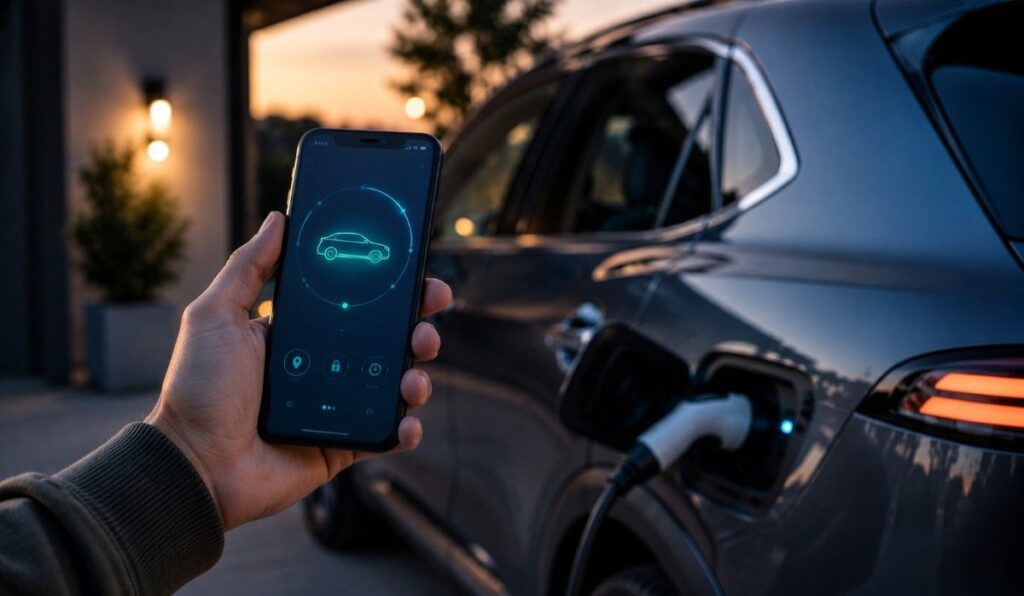
There’s a specific kind of hesitation that comes with buying your first electric car. It’s not really about whether EVs are “the future,” most people have made peace with that question by now. It’s smaller and more practical than that: will I be stranded somewhere with no charger, will the battery hold up in five years, and is this actually going to save me money or just feel like it should.
Good news on the practical front. The electric car market in 2026 looks nothing like it did even three years ago. Range anxiety is far less of a real problem than it used to be, charging networks have expanded significantly, and there’s now a genuinely solid lineup of EVs sitting comfortably under $40,000. One thing worth knowing upfront, though: the federal EV tax credit in the US that used to knock thousands off the sticker price expired in late 2025, so most of these prices below reflect what you’ll actually pay, not a discounted number that assumes a credit you may not get.
Here’s what’s actually worth considering if this is your first time buying electric.
Nissan Leaf — The Honest, No-Drama Starter EV
Starting under $30,000, the Leaf remains one of the most approachable ways into EV ownership, and it’s not just cheap for the sake of being cheap. It won meaningful industry recognition again this year, largely for being a genuinely usable, well-equipped car that doesn’t lean on incentives to make sense financially.
It’s not going to win any drag races or turn heads in a parking lot, and that’s honestly the point. For someone who mostly wants a reliable commuter that charges overnight and gets them through a normal week without drama, the Leaf still does exactly that job well.
Chevrolet Equinox EV — The One That Does Everything Reasonably Well
If you want a single EV that handles commuting, grocery runs, and the occasional road trip without feeling like a compromise in any one area, the Equinox EV has become something of a benchmark in this price range. It’s a compact SUV, which matters if you’re coming from a gas-powered crossover and don’t want your first EV to feel like a downgrade in space or practicality.
It’s not flashy, but “not flashy and just works” is a genuinely underrated quality in a first EV, especially if the whole household is going to be driving it.
Hyundai Ioniq 5 — The One That Feels Genuinely Modern
Starting around $35,000, the Ioniq 5 stands out for interior space and a fresher, more distinctive design than a lot of what’s in this price bracket. It doesn’t feel like a budget compromise the way some cheaper EVs can, which matters if part of your hesitation about going electric was worrying you’d be settling for less car than you’re used to.
Cargo and passenger room are genuine strengths here, making it one of the more practical picks if you’ve got a family or just like having actual space to work with.
Tesla Model 3 — Still the Default for a Reason
At just under $37,000 to start, the Model 3 remains one of the most refined options under $40,000, and it’s earned continued recognition this year for a smoother ride and improved build quality compared to earlier versions. Tesla’s charging network is also still one of the most extensive in the country, which meaningfully reduces the “what if I can’t find a charger” anxiety that trips up a lot of first-time buyers.
It’s the obvious pick for a reason. That doesn’t make it the wrong one, but it’s worth cross-shopping it against the others here rather than assuming it’s automatically the best fit.
Volvo EX30 — Compact, Premium-Feeling, and Genuinely Fun
The EX30 has quickly become a favorite for buyers who want something that feels a little more upscale without stepping outside the $40,000 range. It’s smaller than some of the SUVs on this list, which works in its favor if you’re mostly driving in a city or suburban area rather than regularly hauling cargo or covering long highway stretches.
Kia Niro EV — The Quietly Practical Pick
The Niro EV doesn’t get talked about as much as some of the flashier names on this list, but it consistently offers a lot of usable range and comfort for the money, and it’s aged into being one of the smarter used-market picks if you’re comfortable buying a couple of years old. For buyers who care more about day-to-day livability than branding, it’s worth a serious look.
Worth Considering: Buying Used
Here’s something new EV shoppers often overlook. The used EV market in 2026 has genuinely matured. A wave of lease returns combined with steep early depreciation on EVs from 2020 through 2024 means a lot of once-premium electric cars are now sitting comfortably under $40,000 used, sometimes well under it, often while still covered by the original battery warranty.
If your priority is maximizing what you get for your budget rather than having the newest model year, checking the used market seriously isn’t a downgrade. It’s arguably where some of the best value in the entire EV market currently sits.
A Note for UK and Canadian Buyers
Pricing, available models, and incentive programs vary meaningfully outside the US, and government incentive programs shift often enough that any specific number here would likely be outdated by the time you read it. If you’re shopping in the UK or Canada, it’s worth checking your country’s current EV incentive programs directly before assuming a US price translates cleanly, since exchange rates, taxes, and available models don’t line up one-to-one across these markets.
What Actually Matters Before You Buy
A few things are worth thinking through regardless of which model catches your eye.
Be honest about your actual daily driving distance, not your occasional road trip distance. Most first-time EV buyers overestimate how much range they genuinely need day to day, and a lot of range anxiety fades once you realize charging at home overnight covers the vast majority of typical use.
Check charging access where you actually live, not just in theory. If you’re in an apartment without dedicated parking or home charging access, your EV experience is going to look pretty different than someone with a garage and a home charger, and that’s worth factoring into which car, and which charging network it plugs into, makes the most sense.
And don’t skip the battery warranty details. Most EVs come with strong battery warranties, often eight years or more, which matters a lot if you’re considering a used option, since battery health is really the one component worth scrutinizing closely on an older EV.
If you’re not planning to buy outright and need a few months to build up a down payment first, it’s worth putting that money somewhere it can actually earn something while you save, rather than letting it sit in a checking account earning next to nothing.
The Bottom Line
None of these cars are going to be perfect for everyone, and that’s kind of the point of having options in this price range now instead of just one or two compromises. The honest advice for a first-time buyer is less about finding the objectively “best” EV on this list and more about being clear-eyed on your actual daily driving needs, your charging situation, and your budget, then picking the one that fits those specifics rather than whichever one has the most buzz around it this year.