

Most big corporate deals involve one company writing a check to another. This one is stranger, and more revealing about where the AI industry actually stands right now. Google didn’t pay chipmaker Marvell Technology in cash. It handed over the right to buy up to $12.2 billion of Marvell’s own stock, an arrangement that only pays off for Marvell if Google actually keeps ordering chips.
The deal, disclosed in a regulatory filing this week, sent Marvell’s stock up nearly 10% and its main rival Broadcom’s stock down more than 5% on the same day, a reaction that tells you almost everything about how the market read this news before reading a single line of the filing itself.
What Google Actually Agreed To
Google received a warrant, essentially an option, to buy up to roughly 59 million Marvell shares at $206.58 each. If fully exercised, that’s worth about $12.2 billion, which would make Google one of Marvell’s largest shareholders.
Here’s the part that makes this genuinely unusual: Google doesn’t get those shares upfront. Only a small initial slice, worth a fraction of the total, vests automatically in the first year. The rest unlocks in roughly 240 separate tranches, one for every $500 million in chip orders Google actually places with Marvell, up through 2033. If Google hits every purchasing target, the deal implies roughly $120 billion in business flowing to Marvell over that period. If Google doesn’t, the warrant simply doesn’t fully vest, and Marvell doesn’t get the equity upside.
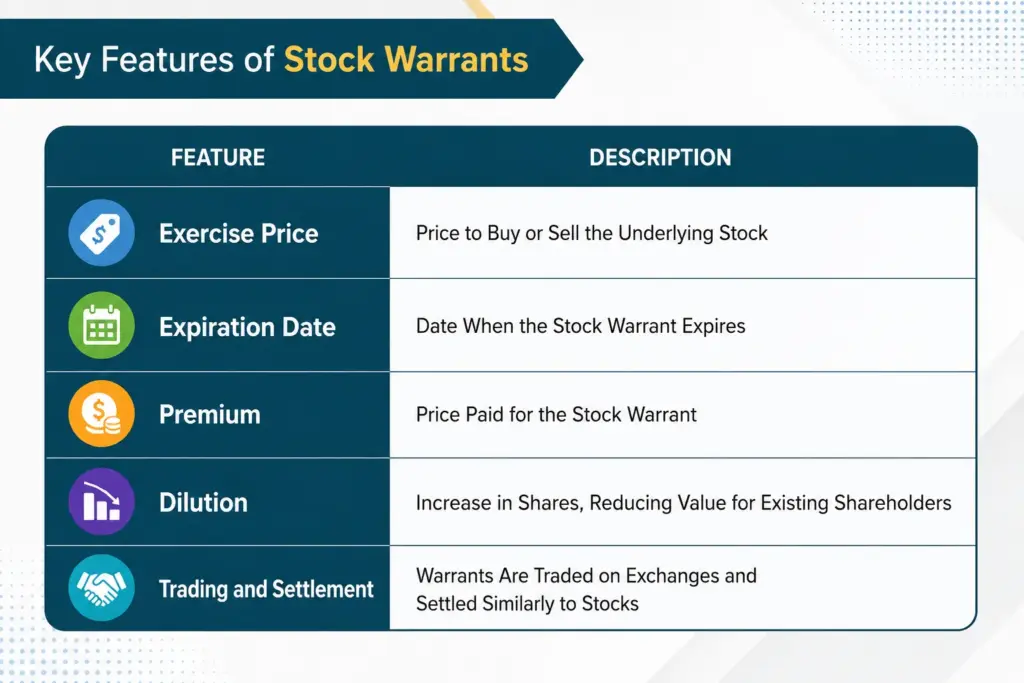
In plain terms: instead of paying with money, Google paid with the promise of future business, structured so Marvell only benefits as much as Google actually keeps buying. That’s a meaningfully different arrangement than a typical supply contract, and it’s becoming a recognizable pattern across the AI industry this year, not a one-off structure Google invented for this specific deal.
What Marvell Is Actually Building
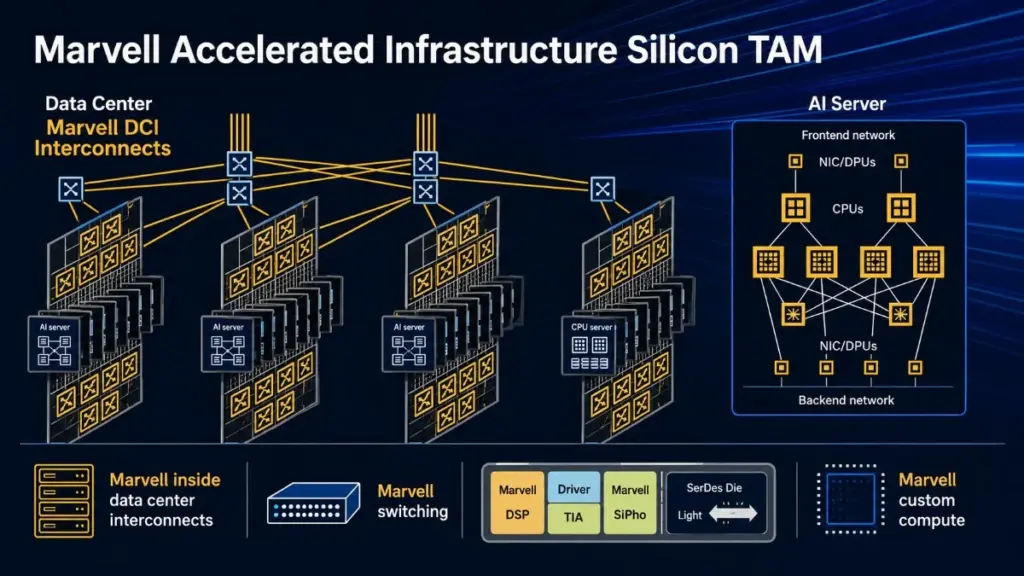
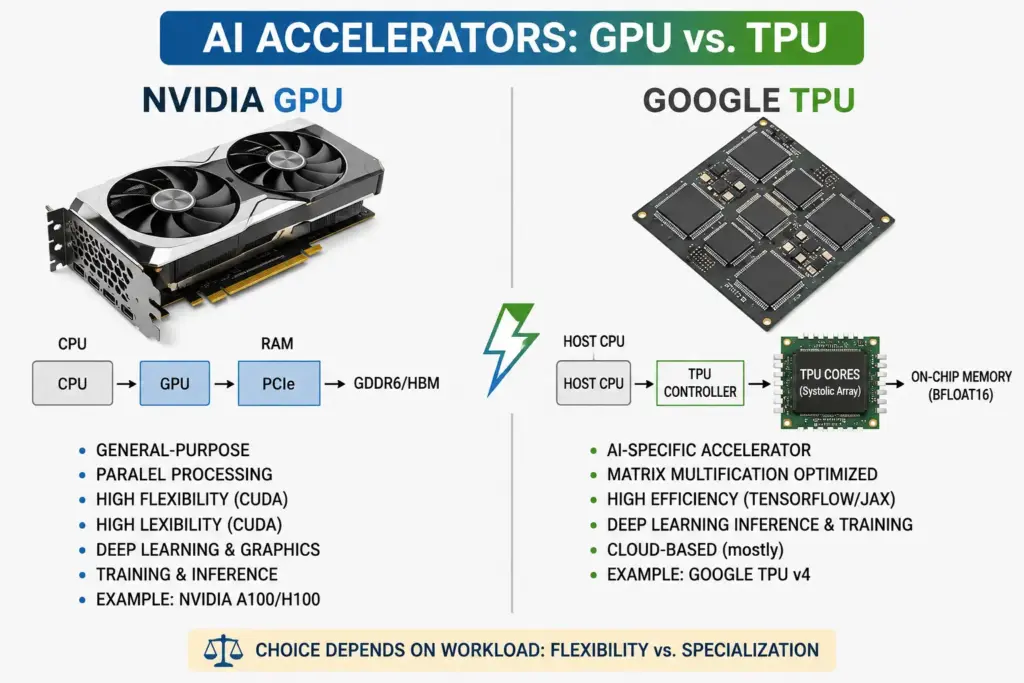
The chips involved aren’t the flashy part of AI infrastructure. Google’s Tensor Processing Units, its custom-built alternative to Nvidia’s GPUs, are the headline technology doing the actual AI computation. Marvell’s role is everything that has to work around that headline chip: AI inference accelerators, storage controllers, networking components, and memory interface controllers, the connective tissue that determines whether a data center full of TPUs can actually move data fast enough to be useful.
That’s not a minor role. As AI workloads scale up, the bottleneck increasingly isn’t just how powerful the core chip is, it’s whether everything surrounding it can keep pace. Marvell has built a specialty in exactly that surrounding infrastructure, and this deal is a substantial bet that demand for it isn’t slowing down anytime soon.
Why Broadcom Investors Are Nervous
Broadcom has been Google’s primary custom chip partner for years, a relationship close enough that some analysts treated it as close to exclusive in practice, even without a formal exclusivity agreement. That’s part of why Broadcom’s stock dropped on the same day Marvell’s jumped: a second qualified supplier permanently changes the negotiating dynamic, regardless of how much business Broadcom keeps.
Worth noting: Broadcom’s existing agreement with Google reportedly runs through 2031 and isn’t going away. Most analysts framed this less as Google replacing Broadcom and more as Google deliberately diversifying its supply chain, spreading risk across multiple chip partners rather than depending heavily on one. Google is also reportedly working with a third company, MediaTek, on future TPU generations, reinforcing that this looks like a multi-supplier strategy rather than a straight swap.
This Fits a Bigger Pattern, and It’s Not Just Google
This deal is one entry in a broader trend that’s become hard to miss in AI infrastructure spending this year: major AI and cloud companies increasingly financing their chip supply chains through equity stakes, warrants, and long-term capacity commitments rather than straightforward purchase orders. Around the same time this deal became public, Nvidia was reportedly finalizing a roughly $100 billion credit guarantee arrangement with OpenAI, a similarly unconventional structure tying two companies’ financial fates together rather than a simple buyer-seller relationship.
That pattern connects directly to something worth understanding about the current AI boom: as we’ve covered before, AI-related investment has been carrying a disproportionate share of US economic growth this year. Deals like this one are part of why. When companies increasingly pay each other in equity and revenue-linked warrants rather than cash, it becomes harder to separate genuine, durable demand for AI infrastructure from companies financially propping each other up to keep the broader buildout looking healthy. Neither explanation excludes the other, and untangling which one is doing more of the work is likely to matter a lot more once growth in this sector eventually slows down.
Why This Matters Beyond Two Stock Tickers
For anyone not actively trading Marvell or Broadcom shares, the more useful takeaway is what this deal signals about how fragile or resilient the AI buildout actually is underneath the headlines. A warrant that only pays out as real orders arrive is a genuinely more cautious structure than an unconditional cash payment would be, Marvell isn’t guaranteed anything, it has to keep earning the business.
That’s arguably a healthier sign than it might first appear. It suggests at least some of the companies building the infrastructure behind the AI boom are structuring deals around actual, ongoing demand rather than pure speculation. Whether that discipline holds up as more of these arrangements get signed across the industry is one of the more useful things to watch as this year’s AI infrastructure spending story keeps unfolding.

