

US Stores
If you’ve been shopping for a cheap phone recently and noticed the options thinning out, you’re not imagining it. Sales of smartphones under $100 in the US dropped 64% year-over-year in the second quarter of 2026, according to Counterpoint Research, leaving that segment at roughly a third of the volume it had just a year earlier. This isn’t a story about people losing interest in cheap phones. It’s a story about the phones themselves quietly becoming impossible to make at that price.
The Real Cause Is Sitting Inside a Data Center, Not a Phone Store
The culprit is memory chips, specifically the RAM and storage components that go into every phone, and the shortage tracing back to them isn’t really about phones at all. It’s about AI.

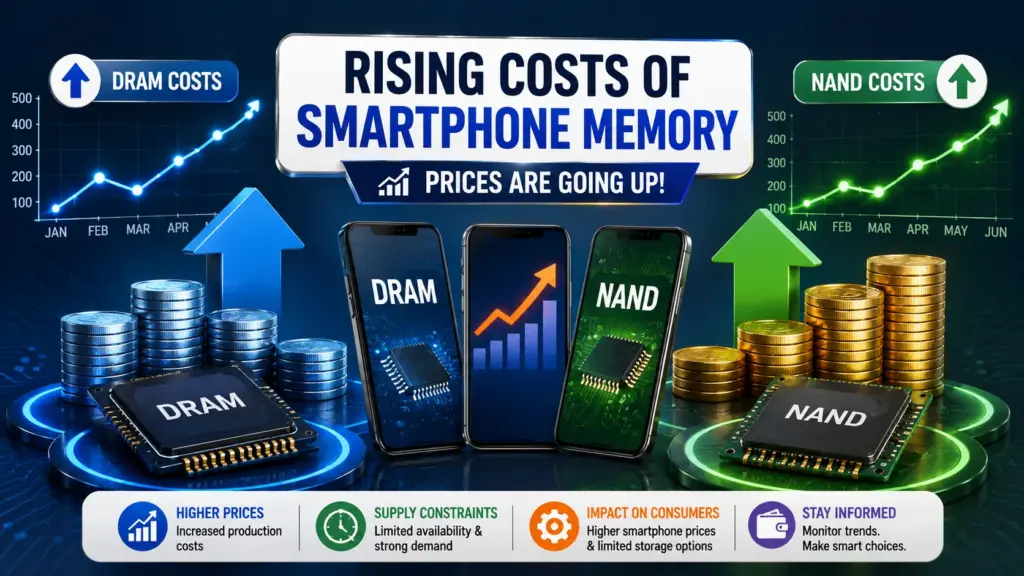
Data centers building out AI infrastructure need enormous quantities of memory chips, and that demand has been so intense that chipmakers have redirected production capacity away from the everyday memory used in phones and toward the high-margin memory AI companies are willing to pay a premium for. The numbers involved are genuinely startling: mobile DRAM prices have climbed roughly 70% since early 2025, and NAND flash storage has very nearly doubled in the same window. One industry analyst described the effect spreading across consumer electronics as a “tsunami-like shock,” which is a dramatic phrase, but the data backs up the drama.
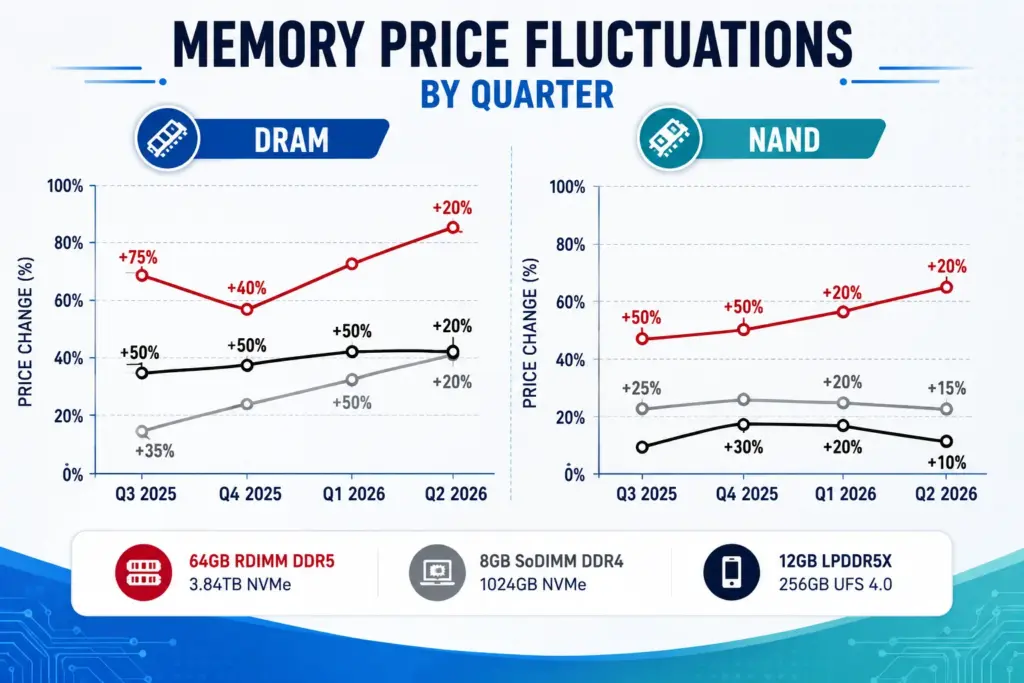
Memory isn’t a minor line item on a phone’s parts list either. It’s become the single most expensive component in a modern smartphone, ahead of even the main processor, according to one phone maker’s CEO. For a mid-range device, memory now accounts for something like 15-20% of the total cost to build the phone. For the cheapest budget phones specifically, it’s worse, sometimes representing 25-30% or more of the entire bill of materials, because there’s so little other cost left to offset it against.
Why Cheap Phones Specifically Are Getting Crushed
Here’s the mechanic that explains why this hits budget phones so much harder than flagship ones. A $1,200 flagship phone has enormous room to absorb a rising component cost without needing to raise its price dramatically or noticeably cut into its profit margin. A $79 budget phone has almost none. When your core memory chip costs jump 70%, and memory was already a huge share of what that phone cost to build in the first place, there’s simply no cushion left. The company either raises the price meaningfully, which defeats the purpose of a budget phone, cuts corners elsewhere in a way customers will notice, or stops making that model altogether.
Manufacturers have been doing all three simultaneously, and increasingly leaning toward the third option specifically at the very bottom of the market. Some brands have started shipping base phone models with 4GB of RAM again, a configuration that hasn’t been standard since around 2020, simply to hit a price point that’s becoming harder and harder to reach any other way.
The Damage Is Concentrated in a Very Specific Place
Total US smartphone sales fell about 5% in the most recent quarter, which sounds like a broadly rough quarter for the industry. That topline number badly understates what’s actually happening underneath it.
Apple, Samsung, Motorola, and Google, the four biggest brands in the US market, saw their combined sales drop only about 4%. Every other brand combined saw sales plunge 45%. That’s not a rough quarter for the industry as a whole, it’s a rough quarter concentrated almost entirely among smaller players who depended on thin margins and rock-bottom price points to compete in the first place. Some smaller brands, including HMD, the company behind modern Nokia-branded phones, had already scaled back their US presence last year, citing weakness in prepaid sales and tariff uncertainty. The memory shortage has only made an already difficult position worse for anyone left trying to compete at the entry level.
What’s Happening to Prepaid Phones Specifically
Prepaid phones, historically one of the most reliable homes for genuinely cheap devices, tell a similar story from a different angle. Prepaid smartphone sales overall fell 11% year-over-year. But within that shrinking category, Samsung and Motorola actually gained ground rather than losing it, with Samsung’s share of the US prepaid market jumping nine percentage points to 47%, and Motorola picking up four points to reach 32%.
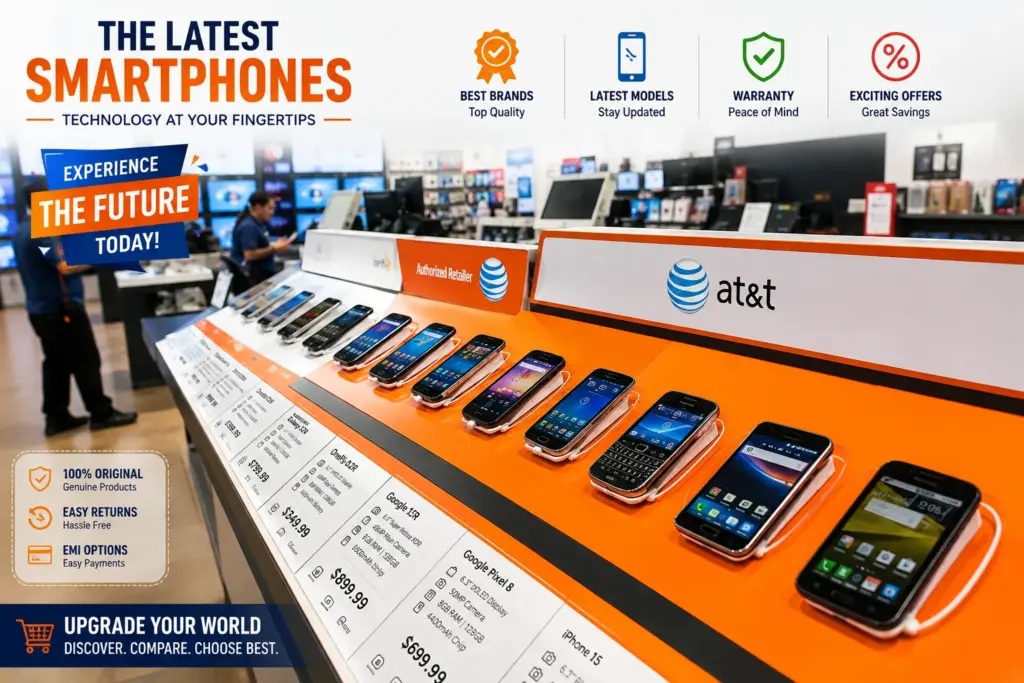
That’s not really a story about Samsung and Motorola getting more popular. It’s a story about the field narrowing so sharply that carriers, the companies actually selling these phones to prepaid customers, are increasingly left leaning on just these two brands’ budget lineups, the Galaxy A series and the Moto G series specifically, simply because there’s less and less competition left standing beneath them.
Why This Isn’t a Quick Fix
The uncomfortable part of this story is the timeline. Memory chip shortages driven by surging demand, rather than a temporary supply disruption like a factory fire or a natural disaster, are historically much harder to resolve quickly. Building new high-bandwidth memory production capacity requires massive capital investment and years of lead time, not months. AI infrastructure spending shows no sign of slowing down in the near term either, which means the underlying demand pulling memory away from phone manufacturers isn’t likely to ease on its own anytime soon.
Some analysts expect memory prices to keep climbing through at least the first half of the year before any potential stabilization, and the consensus expectation across multiple research firms is consolidation at the low end of the phone market, smaller brands merging, exiting the budget segment entirely, or shifting upmarket toward higher-margin devices where there’s more room to absorb these costs.
What This Means If You’re Actually Shopping for a Cheap Phone
The practical takeaway is fairly direct. If genuinely ultra-cheap phones, the sub-$100 category specifically, are becoming harder to find as this plays out, the realistic budget alternatives left standing are increasingly concentrated in the Galaxy A series and Moto G lineup, the two brands carriers are actively doubling down on as everyone else thins out.
It’s also worth adjusting expectations around specs at a given price point. A phone that might have shipped with 6GB or 8GB of RAM a couple of years ago at a certain price may now ship with less memory for the same money, or cost noticeably more to keep the same specs, simply because the chip powering AI data centers somewhere else in the world is now competing directly for the exact same manufacturing capacity that used to go into your phone.
There’s a broader pattern worth noticing here too, one that connects to other shifts happening across consumer tech right now. The same memory crunch pushing budget phone prices up is part of why component costs have been rising across laptops, tablets, and other electronics this year, and it’s part of the backdrop behind manufacturers experimenting with new pricing models, leasing programs instead of outright purchases, longer financing terms, subscription-style upgrades, as a way to soften the sticker shock of devices that are quietly getting more expensive to build. The budget phone squeeze isn’t an isolated story about one corner of the market. It’s one of the clearest, most visible symptoms of a much larger shift in where the tech industry’s manufacturing capacity and cost pressure are actually flowing right now, and phones happen to be where it shows up first, because there was never much room to hide a 70% cost increase in a device that used to sell for eighty dollars.