
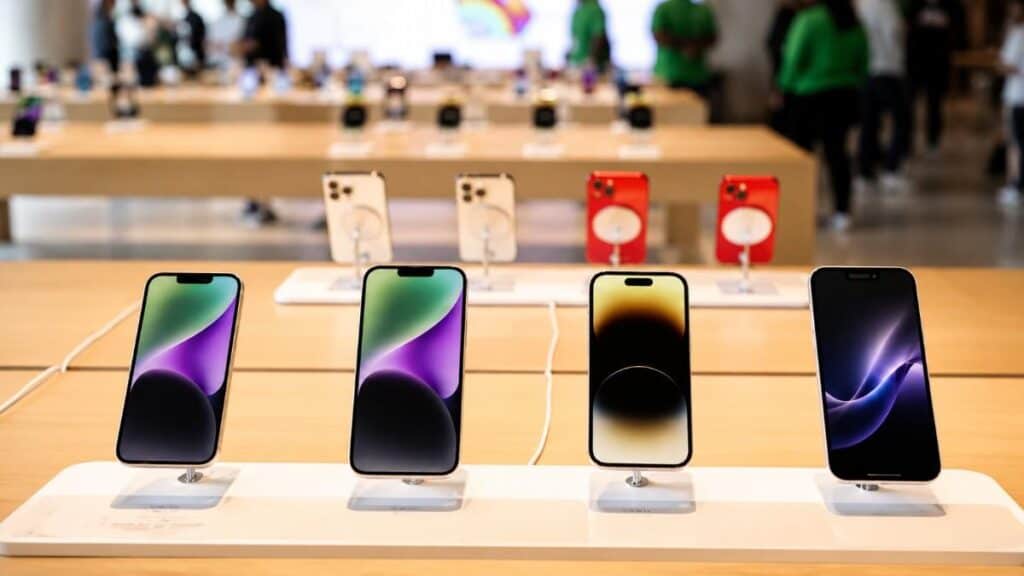
Buying an iPhone outright has been the default for most people for close to two decades. Apple just gave US customers a genuinely different option: don’t buy it at all, lease it instead.
The new program, called Apple Upgrade, launched this week in partnership with Klarna, the buy-now-pay-later company. It lets customers pay a monthly fee for an iPhone, iPad, Mac, or Apple Watch instead of paying the full price upfront, with the option to hand the device back, buy it outright, or roll into a lease on a newer model once the term ends. It’s a meaningful shift in how Apple wants people to think about owning its products, and the timing isn’t a coincidence.
Why This Is Happening Right Now
A month before launching Upgrade, Apple raised prices on several products, including iPads and Macs, by anywhere from $100 to $500. That wasn’t a random decision either. The tech industry has been dealing with what’s been nicknamed “RAMageddon,” an industry-wide shortage of memory chips driven largely by AI companies buying up enormous quantities of memory for data centers, leaving less supply, and higher prices, for everyone else building consumer devices.
Higher sticker prices tend to slow down how often people upgrade, which isn’t good news for a company whose business depends heavily on regular device turnover. A leasing program is a fairly direct answer to that problem: turn a $1,000-plus upfront cost into a $17.99 monthly payment, and the psychological barrier to buying in drops considerably, even if the total cost over time doesn’t actually change much.
How the Program Actually Works
Pricing starts at $17.99 a month for an iPhone, $11.99 for an Apple Watch or iPad, and $24.99 for a Mac. iPhones and Apple Watches come with 12- or 24-month lease terms, while Macs and iPads stretch to 24 or 36 months.
The application process involves only a soft credit check, meaning it won’t affect your credit score just to see if you qualify, and no security deposit is required. When the lease term ends, there are three paths: sign a new lease on an updated device, buy your current device outright for the remaining cost, or simply return it and walk away with nothing further owed. Trading in an existing device can lower the monthly payment, and Apple Card users earn cash back on lease payments the same way they would on a normal purchase.
One detail worth knowing if you’re already using Apple’s older financing options: the company is discontinuing its previous iPhone Upgrade Program and iPhone Payments plan entirely in the US, replacing both with this new, broader Upgrade program that now also covers Macs and iPads, categories the old program never touched.
The Personal Finance Question Nobody’s Really Answering: Should You Actually Lease?
Here’s where it’s worth stepping back from the announcement itself and thinking about whether this is actually a good deal for you, because “lease” and “cheaper” aren’t the same thing.
Run the simple math first. An iPhone leased at $17.99 a month for 24 months costs $431.76 total, at which point you either owe nothing and return it, or pay the remaining balance to keep it. If the phone’s full retail price is, say, $829, and you’d normally keep a phone for three or four years before replacing it, buying outright and holding onto it longer is very likely the cheaper path over time. Leasing is essentially a subscription to always having a relatively current device, and subscriptions almost always cost more in total than owning something outright and using it until it wears out.
That’s not a criticism of the program so much as a reminder of what it’s actually designed to do. It’s built for people who already upgrade their phone every year or two regardless, the kind of customer who was previously paying full price annually or juggling carrier installment plans anyway. For that specific group, converting an already-frequent upgrade habit into a predictable monthly payment, with no big one-time cost and no hassle reselling the old device, is a genuine convenience upgrade, not a financial trap.
For anyone who tends to keep a phone for three, four, or more years, leasing is very likely the more expensive path, not because the program is predatory, but because leasing anything, a car, an apartment, a phone, structurally favors frequent turnover over long-term ownership. If your instinct is to keep devices until they genuinely stop working, buying outright, even with the recent price increases, is almost certainly still the better financial move.
The Klarna Detail Worth Noticing
It’s also worth registering who Apple partnered with here. Klarna built its business on buy-now-pay-later financing, a category that’s drawn real scrutiny over the past few years for making it easier for people to take on debt-like payments for things they might not have bought outright otherwise. Apple’s program does include real guardrails, a credit check, clear end-of-term options, and no hidden inflation of the total cost beyond the device’s list price, but it’s still worth going in with clear eyes: a soft credit check makes signing up frictionless, and frictionless is exactly the kind of thing worth pausing on before committing to a multi-year payment plan.
The Timing Isn’t Random Either
Apple Upgrade lands just ahead of the company’s expected September iPhone launch, which is rumored to include its most expensive phone yet and, for the first time, a foldable iPhone. A leasing program conveniently softens the sticker shock of whatever that device ends up costing, and makes the idea of upgrading to it again in a year or two feel far less financially daunting than paying full price twice in a row would.
Whether that’s a genuinely useful option for you personally comes down to one honest question: are you someone who was already going to upgrade every year regardless of the cost, or someone who prefers to buy something and use it until it’s actually worn out? The program works well for the first group. For the second, the math still favors buying outright, price hikes and all.

